La Orotava: an overview Nestled in the lush hills of Tenerife, La Orotava is a charming town that’s bursting with character. You’ll love strolling through its cobblestone streets, admiring the stunning traditional Canarian architecture and vibrant gardens. Don’t miss the famous Casa de los Balcones, where you can soak in the local culture and craftsmanship. Whether you’re looking to explore beautiful viewpoints or enjoy delicious local cuisine, La Orotava has it all. It’s a perfect spot to relax and soak up the laid-back vibe of the island. Trust us, you’ll want to add this gem to your travel itinerary!
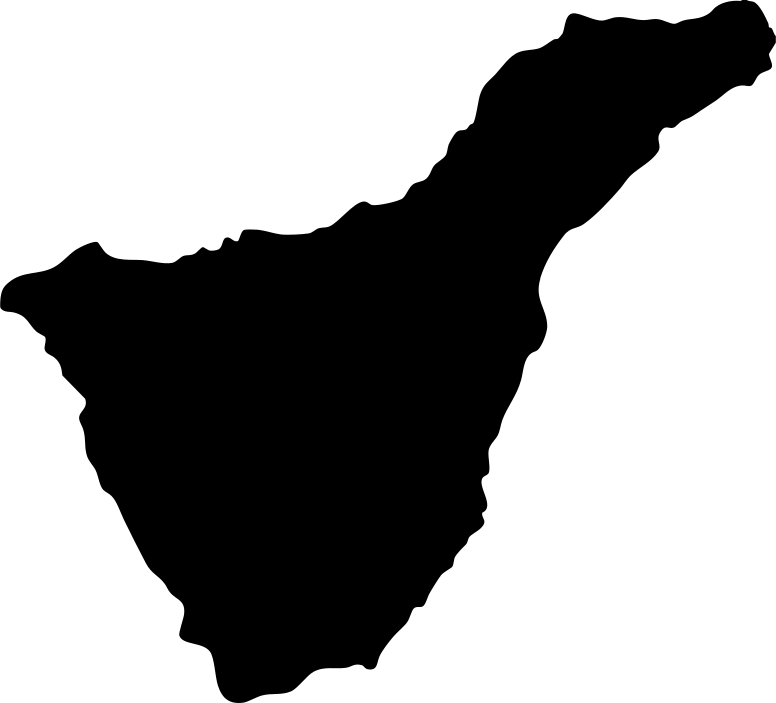
La Orotava es una pintoresca ciudad situada en el norte de la isla de Tenerife . Hasta la fecha, La Orotava tiene unos 42 mil habitantes y da nombre al valle que se extiende entre la parte superior de la montaña Teide y la costa.
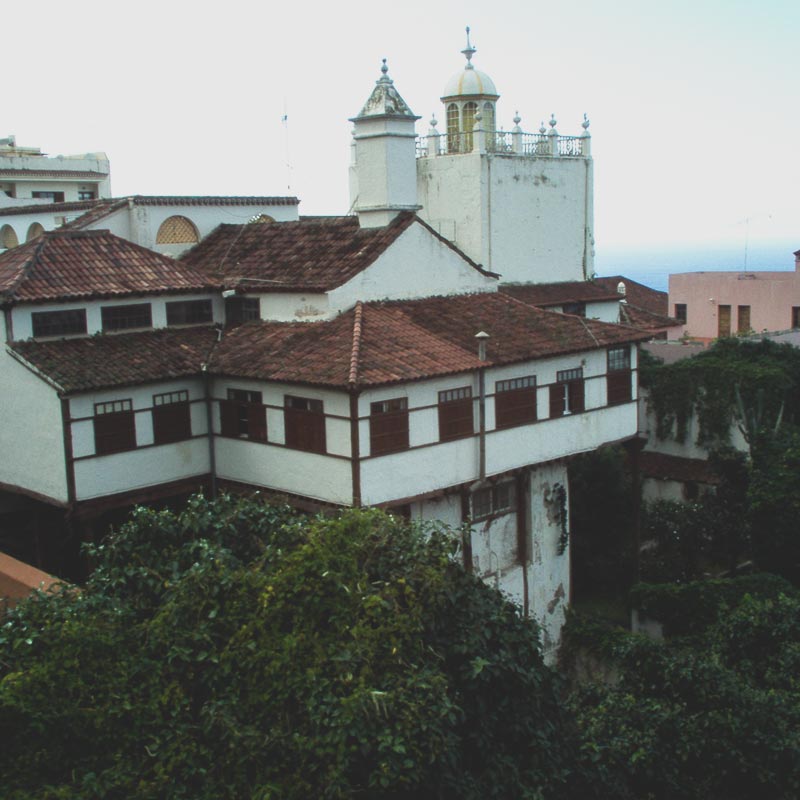
This city’s bursting with activities and spots that are super important culturally. In fact, it’s part of the “Historical Ensemble,” a list showcasing Spain’s cultural heritage. The first thing you’ll notice is that La Orotava includes the entire Teide park and its upper part, making it home to the tallest mountain in Spain.
If that’s not enough, La Orotava also ranks as the highest town in Spain.
The offerings here aren’t just about nature; they’re also steeped in religious, cultural, and historical significance. In a nutshell, this city has managed to keep its cultural identity intact over the years and treasures its gems like nobody’s business.
City History
At first, the natives (also known as guanches) focused on coastal and mountainous areas where food and resources were easy to find.
It wasn’t until the arrival of the Spanish conquistadors that the city really took shape. Even though Tenerife was the last island to be conquered, after the conquest, many of the “boundaries” we know today were established.
In this particular case, the city was formed simply because there wasn’t a division of land and resources among the conquistadors who contributed to invading the island. The official origin of the city dates back to 1502.
It’s worth mentioning that, thanks to the island’s cultural and racial background (mostly white and adapted to Christianity), the locals in the city didn’t experience any major massacres. The same goes for epidemics; in fact, most of the outbreaks that spread across Europe never made it to the archipelago.
What to see?
There’s so much to see in the city, let’s dive into a quick overview:
- Room: A palace of extraordinary beauty. It perfectly preserves the features that have accompanied it over the years.
- Chiesa Concepción: One of the city’s highlights. It started as a small building when the city was founded, then it was expanded and rebuilt in the 18th century after suffering damage from an earthquake. Today, the church features 7 rooms showcasing some amazing artwork.
- Balcony Houses: An architectural marvel. This part of the city is all about stunning structures and a vibrant artistic vibe.
- Jardín Botánico: A beautiful garden right in the heart of the city—it’s a perfect spot to chill out and unwind for a few hours.
But the beauty of the city doesn’t stop at these few spots. Every corner breathes culture and has a story to tell. Plus, if you get tired of wandering around, La Orotava has tons of hiking trails and some gorgeous beaches to check out!